
About FAMAGUSTA/AMMOCHOSTOS / ΑΜΜΟΧΩΣΤΟΣ / GAZİ MAĞUSA
Famagusta/Gazi Mağusa (Ammochostos in Greek) is a city situated on the east coast of Cyprus and is the administrative center of the Famagusta district . It is located in a bay named after the city. There are many theories as regards the origin of the name of Famagusta. The most widely accepted one is that it derives from the Greek “Ammochostos,” meaning “buried in sand.” Sir Harry Luke claimed that the Lusignan rulers changed the name from Ammochostos to Famagusta in the medieval period. Since 1571, Famagusta has been called Mağusa by the local Ottoman Muslims (Turkish Cypriots). However, in commemoration of the Turkish Cypriot-occupied walled city’s refusal to surrender to Greek Cypriot forces in 1974, Turkish Cypriots renamed the city Gazi Mağusa, meaning “Famagusta the war hero.” Famagusta has been the site of an important commercial harbor since the medieval period. Although the harbor lost its importance during the Ottoman period, it regained its fame after the British arrival. By 1960 most local exports were shipped from Famagusta harbor. Meanwhile, Kato and Pano Varosha, villages then on the outskirts of the city, had become important citrus production areas. While the old walled city of Famagusta was primarily inhabited by Turkish Cypriots, these areas outside the city’s walls were mostly inhabited by Greek Cypriots. From independence in 1960 to the 1974 war, the Greek Cypriot-controlled part of Famagusta flourished economically. During this time, the town developed toward the southwest of Varosha as an important tourist destination. Before 1974, over 50% of the total touristic accommodations of Cyprus were situated in Varosha, while during the same period the harbor of Famagusta continued to hold its position as the main trade port. According to Jack Goodwin, in 1973, 1,810 ships called at Famagusta, while Limassol had 811 and Larnaca 196. By 1973, the total general cargo and 49% of the total passenger traffic to and from the island used Famagusta’s harbor. Along with the touristic development and harbor, light industry was also developed, making products such as clothing, footwear, plastics, light machinery and transport equipment, tobacco and various food and beverages.
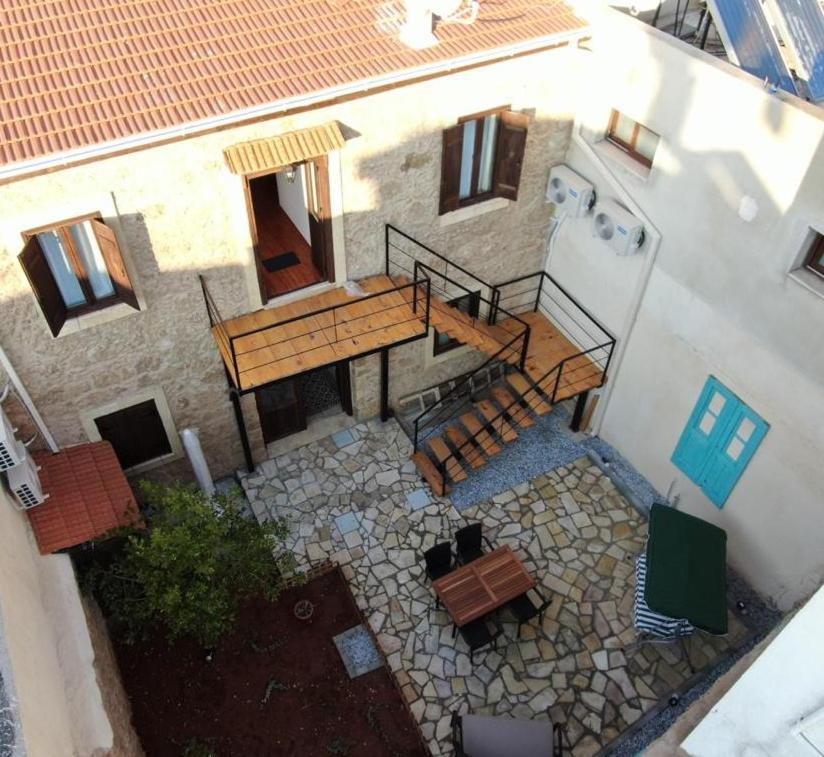
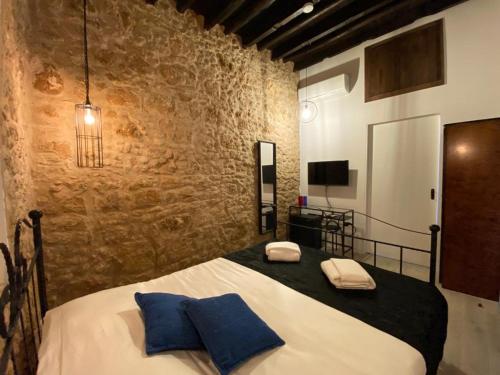
Cozy lodging options:Jasmine Lodge in Gazimağusa offers family rooms with private bathrooms, air-conditioning, and free WiFi. Each room includes a kitchenette, balcony, and garden views.Outdoor Spaces:Guests can relax in the garden or on the terrace, enjoying the outdoor dining area and patio. The inn features a private check-in and check-out service, ensuring a seamless arrival and departure.Convenient Location:Situated 2 km from Derinya Public Beach and 19 km from Agia Napa Monastery, the inn provides easy access to local attractions. On-site parking without charge is available on-site.Guest Favorites:Visitors highly rate the kitchen, convenient location, and room cleanliness, making Jasmine Lodge a preferred choice for a comfortable stay.
Hotel Details:
- Facilities: Non-smoking rooms · Free parking · Free WiFi · Family rooms · Tea/coffee maker in all rooms
- Booking.com: https://www.booking.com/hotel/xy/jasmine-lodge.en-gb.html
- Source: located in a village or neighbourhood that was 100% Turkish Cypriot before 1974, therfore definitely on Turkish title land.
Location:
Numara 3, Suriçi Abdullah Paşa Sokak, 5000 Famagusta